
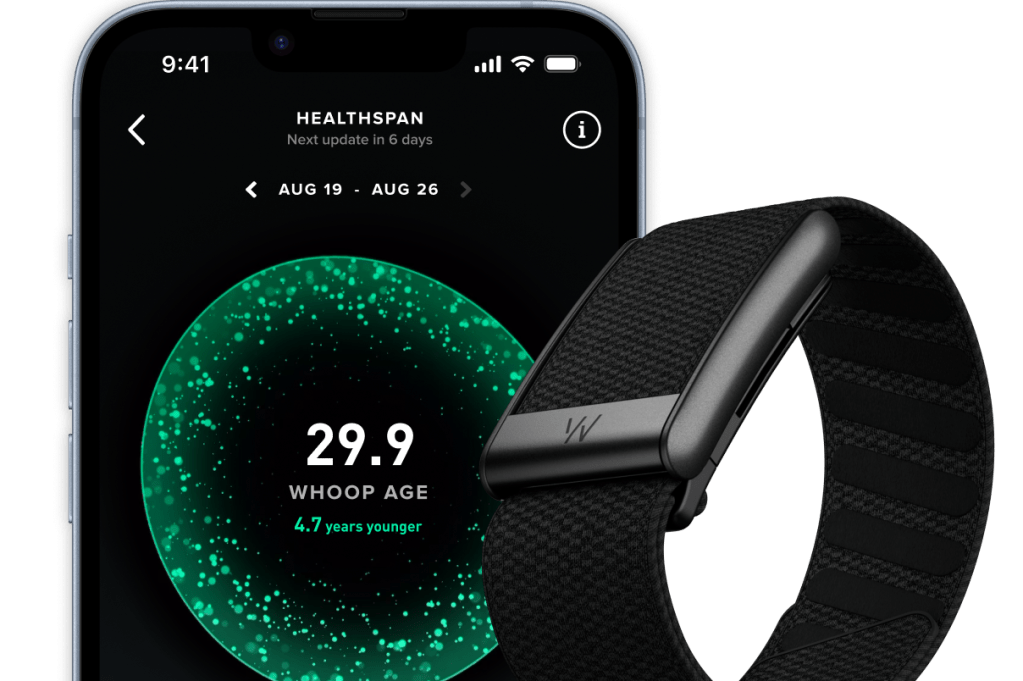
Whoop is one of the most polarizing fitness trackers on Reddit — people either credit it with changing their life or can’t understand why anyone would pay a monthly subscription for a device with no screen. Both camps make reasonable points.
We went through the discussions to find out who it actually works for and whether the subscription is ever justified.
The Good
Behavioral Change That Users Didn’t Expect
- The most upvoted positive comment — and it’s about lifestyle, not hardware “I’ll go against the grain and say I’m really happy with Whoop. I credit it with convincing me to stop drinking, going to bed at more reasonable times, scrolling my phone less, lifting more, and generally being more aware of how little habits can stack to improve your life.” (66 upvotes)
- Long-term data is where the real value lives — weeks and months, not days “Whoop is a gem when it comes to long time evaluation. Trust the process for 6 months.” (10 upvotes)
Accountability for Serious Athletes
- Endurance athletes are among the most consistent advocates “As someone who does Ironman events, marathons, Hyrox — Whoop has been great to keep me accountable for recovery and keeping a balance between strain and recovery.” (32 upvotes)
The Screenless Design Is a Feature, Not a Bug — For Some
- A specific but genuine use case that no competitor fully addresses “Comfortable. I don’t want a screen on my wrist. Balance between insights and usability. I like the AI Coach and strength trainer. Been a member for 4 years.” (29 upvotes)
Medical Utility That Surprised Users
- Not the primary selling point, but worth noting “My Whoop caught a tachycardia that was subsequently confirmed by a cardiologist. It also identified COVID two days prior to symptoms — twice.” (8 upvotes)
The Not So Good
Heart Rate Accuracy During Workouts Is a Known Weakness
- The most consistent technical criticism and a meaningful one for a device that bases everything on HR data “The heart rate data is still way off for activities — 20–30 bpm off compared to an Apple Watch and a Polar H10.” (6 upvotes)
- Wrist placement during weight training is particularly problematic; the bicep band is the workaround
The Subscription Model Divides Everyone
- The single most divisive issue in all threads — and even long-term fans struggle to justify it “Great insight, but man that subscription kills it for me.” (21 upvotes)
- Long-term loyal users are eyeing the exit “Right now I’ve moved to a monthly on my Whoop. Their stuff is good — but not good value. Soon as Garmin releases their band, I’m out. This from a 4 year Whoop user.” (16 upvotes)
Diminishing Returns Over Time
- An honest observation that comes up across multiple threads “For a lot of people it helps them out in the beginning but once they’ve worn it for a while, they understand it more and lose interest in the data. You can only see alcohol kills your recovery so many times before you don’t need to check the app after a night of drinking.” (14 upvotes)
Data Privacy Concerns
- A legitimate and well-upvoted concern given the nature of the data being collected “If Whoop doesn’t make it, I guarantee your data is going to be sold off towards the end.” (24 upvotes)
Other Concerns Worth Knowing
- Skin irritation and odor from the band without regular washing — weekly cleaning is non-negotiable
- Psychological impact of constant monitoring is a double-edged sword — motivating for some, anxiety-inducing for others “If you do the Insights right, be prepared to give up drinking, moderate caffeine, go to sleep earlier. It’s great!” (39 upvotes)
- Over-reliance on daily scores can lead to ignoring how you actually feel “Look at the stats as guidance, not finites. I got a recovery that was low and I still killed it on a marathon.” (4 upvotes)
How It Compares
- Apple Watch + Bevel or Athlytic — the most frequently cited alternative; lower ongoing cost, screen functionality, comparable health insights with third-party apps “Apple Watch + Bevel or Helios strap + Bevel beats Whoop for most use cases. And the cost advantage is huge.” (3 upvotes)
- Garmin — praised for data depth; the most anticipated potential replacement, with a screenless tracker reportedly coming within months “Soon as Garmin releases their band, I’m out on Whoop.” (16 upvotes) — from a 4-year user
- Polar H10 chest strap — the gold standard for heart rate accuracy during workouts; often recommended alongside Whoop to compensate for its wrist HR limitations
- Oura Ring — dismissed by active users due to incompatibility with weightlifting and contact sports
- Fitbit/Google — viewed negatively for durability and data privacy; the privacy concern is particularly pointed “You couldn’t pay me to give my biometric data to Google.” (38 upvotes)
Tips from Reddit
- The most upvoted piece of advice in the — by a wide margin: “Don’t read the negative reviews in this sub. Leverage the data in a way that fully benefits your own body/health/lifestyle.” (142 upvotes)
- Wear a bicep band during workouts for significantly better heart rate accuracy — the wrist band is fine for resting and sleep data
- Keep your journal focused — limit entries to 5–10 items; more than that and it becomes a chore that you’ll abandon (7 upvotes)
- Give it at least a month before judging — the data takes time to calibrate and become meaningful “Your data will take a while to make sense so don’t pour too much into it in the beginning.” (24 upvotes)
- Wash the band weekly — dish soap or a laundry mesh bag; the superknit band dries quickly and wearing it in the shower counts as cleaning
- Charge at least every 14 days to maintain continuous uninterrupted tracking
- Don’t obsess over daily scores — use trends over weeks and months for meaningful insights; one bad recovery score doesn’t predict a bad performance
- Turn off the “off wrist” notification in settings if it becomes annoying — a small but genuinely useful quality-of-life fix
Final Verdict
Reddit’s verdict on Whoop is genuinely split — and the divide maps almost perfectly onto whether you’re willing to change your behavior based on what it tells you.
- Life-changing for committed health-focused users who treat it as a behavioral coach over months, endurance athletes managing recovery, and anyone who specifically wants screenless wearable health data
- Hard to justify for casual users, anyone primarily tracking workout heart rate, and anyone who bristles at a monthly subscription for hardware they already own
The subscription model is the brand’s biggest vulnerability — and the anticipation around Garmin’s screenless tracker suggests even loyal users are ready to move if a comparable no-subscription alternative arrives.


Leave a comment